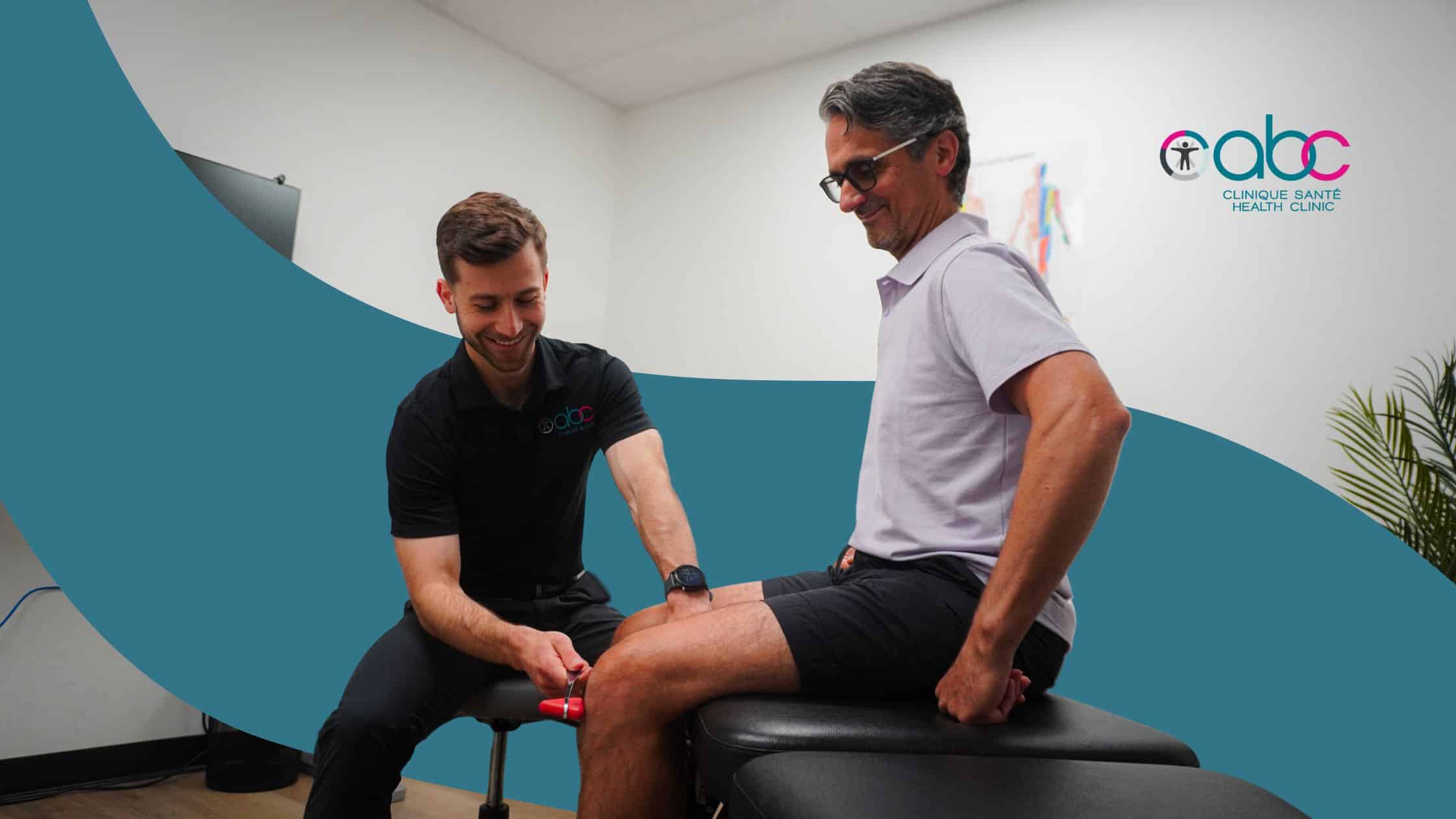
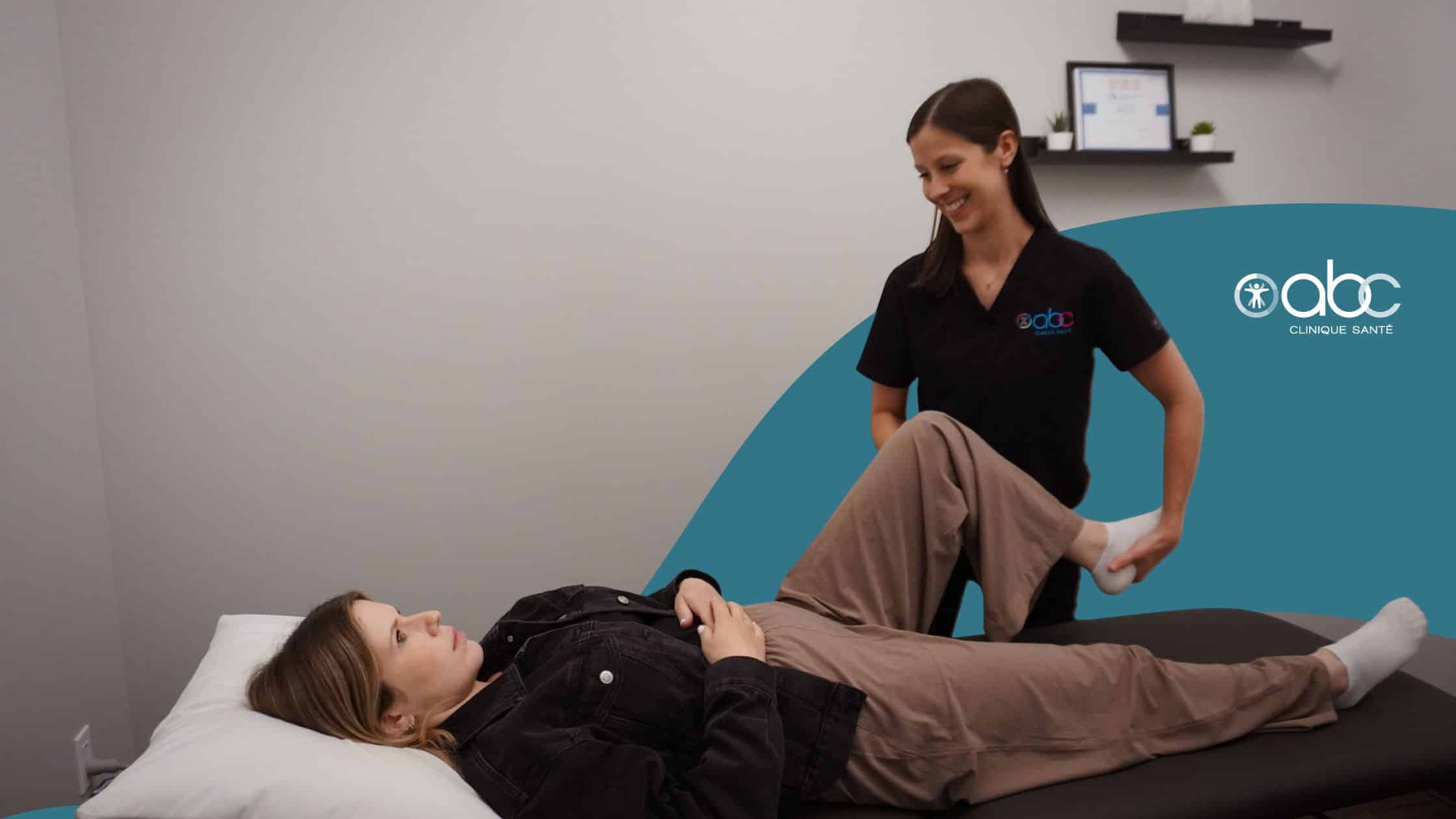
Knee osteoarthritis is a common condition that affects many people, particularly as they age. However, despite its prevalence, several misconceptions still persist. Many people believe, for example, that they should stop moving as soon as pain sets in. In reality, appropriate physical activity and muscle strengthening play a key role in managing symptoms and maintaining joint health.
In this article, Dr. Charles Bélanger, a chiropractor and owner of ABC Clinique Santé in Gatineau, explains how to better understand knee osteoarthritis and why a gradual approach to movement can make a real difference in daily life.
What is knee osteoarthritis?
Knee osteoarthritis is a joint condition that develops gradually over time. It is often associated with the wear and tear of cartilage, the surface that covers the joints and allows the bones to move smoothly.
To better understand this condition, osteoarthritis can be compared to wrinkles in the joints. Like wrinkles on the skin, the signs of osteoarthritis become more common with age. However, the presence of osteoarthritis on an X-ray does not automatically mean that a person will experience significant pain.
Some people may have moderate or severe osteoarthritis on imaging without being significantly limited in their activities, while others will experience more pain despite less pronounced changes.
Why does pain vary so much from person to person?
Pain associated with osteoarthritis does not depend solely on the condition of the knee as seen on an X-ray. Rather, several factors influence pain perception and the body’s ability to tolerate daily activities.
Among the factors that can have a significant impact are:
- sleep quality;
- diet;
- level of physical activity;
- stress;
- social support;
- smoking;
- alcohol consumption.
For example, a varied diet rich in fiber, protein, fruits, and vegetables can contribute to better overall health. Conversely, certain lifestyle habits can increase systemic inflammation and exacerbate joint pain.
Should you stop moving if you have osteoarthritis?
Contrary to popular belief, completely avoiding physical activity is generally not the best solution. When a joint is under less strain for a long period of time, returning to movement can become more difficult and painful.
However, the opposite can also be problematic. Resuming too many activities too quickly risks further irritating the knee. That is why a gradual approach, known as gradual exposure to movement, is often recommended.
The goal is simple: to allow the body to gradually regain its ability to move while restoring confidence in the joint. This approach also helps improve exercise tolerance and reduce functional limitations in daily life.
Why is strength training so important?
Muscle strengthening is often underestimated in the management of knee osteoarthritis. However, maintaining good muscle mass around the joints helps better protect the knee and improve its stability. Articular cartilage functions somewhat like a sponge. Movement helps circulate nutrients throughout the joint and contributes to maintaining its health. Regular exercise therefore helps the cartilage receive better nourishment.
At the same time, stronger muscles help distribute weight more evenly and reduce the stress placed directly on the knee. This is why appropriate strengthening exercises are often recommended for people living with osteoarthritis.
A simple exercise you can do at home
The YouTube video demonstrates an easy strength-training exercise you can do at home to help strengthen the muscles around the knee. It requires very little equipment: mainly a resistance band, a chair, and a small cushion to support your leg.
A few general recommendations are also provided:
- Perform the exercise about once every two days;
- Do three sets of 10 to 15 repetitions;
- Use enough resistance to feel significant muscle effort without causing excessive pain.
Since everyone has a different tolerance level, exercises should be adjusted according to each person’s abilities and symptoms.
When should you see a doctor for knee pain?
Persistent knee pain should not be ignored, especially when it limits daily activities or prevents you from staying active. A healthcare professional can help you better understand the source of the pain and recommend a treatment plan tailored to your situation.
At ABC Clinique Santé, chiropractors and physical therapists can help people with knee osteoarthritis through a personalized approach focused on movement, strengthening, and comprehensive pain management.
Taking care of your joints doesn’t mean you have to stop moving. On the contrary, with the right tools and a tailored progression plan, it’s often possible to keep moving with greater comfort and confidence.
Visit the clinic nearest you:
-

Dr Charles Bélanger
Chiropractor and owner