
Bloating, gas, abdominal cramps, urgent bowel movements… When you live with digestive discomfort on a daily basis, it’s natural to want to find the cause. Often, dietary fiber is at the center of suspicion—but also of questioning. Some sources present it as essential for regular bowel movements, while others accuse it of aggravating bloating. Who should you believe? And above all, how can you adapt your diet to regain control of your digestion?
Dietary fiber: what exactly is it?
To answer these questions, we first need to understand what fiber is. Fiber is part of the large family of carbohydrates. While some carbohydrates are very small, such as lactose, which is composed of two units (glucose and galactose), fiber consists of much longer and more resistant chains. Unlike lactose, they are neither broken down nor absorbed into the bloodstream: they are known as non-digestible.
There are two types. Soluble fiber dissolves in water and forms a gel in the intestine, thereby hydrating the stool. It is found in foods such as apples, citrus fruits, legumes, chia seeds, oats, and barley. Insoluble fiber does not mix with water and its main function is to increase stool volume. Fruits and vegetables (mainly their skins) and whole grains are the main sources.
Constipation: your best allies
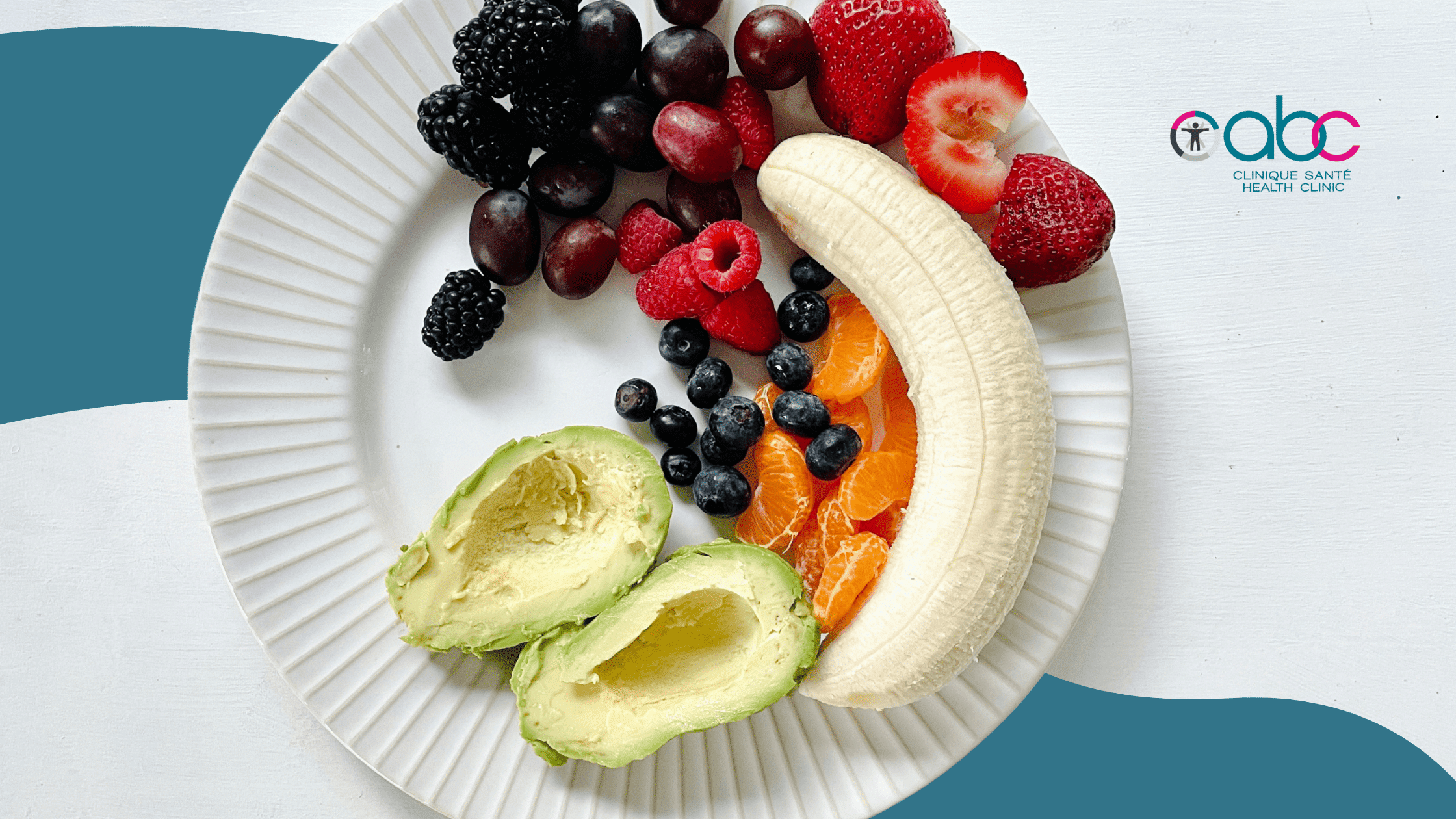
If you suffer from constipation, whether defined by infrequent bowel movements or hard, dry stools, fiber is definitely your ally! Insoluble and soluble fiber will help increase stool volume and hydrate stools, respectively. So opt for a diet rich in plant-based foods: fruits, vegetables, whole grains, legumes, nuts, and seeds galore.
Diarrhea or sensitive intestines: adjust your intake
On the other hand, in cases of diarrhea, adding bulk to your stool is not desirable. Insoluble fiber can irritate an already sensitive or inflamed intestine, such as during an active episode of Crohn’s disease, and worsen symptoms. It may therefore be helpful to limit insoluble fiber, for example by peeling and cooking fruits and vegetables, and temporarily choosing refined (white) grains. Soluble fiber, on the other hand, is often better tolerated and can even help maintain regular bowel movements. It is therefore useful to keep it in the diet, or if eliminated during more difficult periods, it can be reintroduced first.
What about gas?
Since fiber isn’t digested, it reaches the intestines intact, where it serves as food for bacteria. These bacteria ferment the fiber, producing gas. That’s why fiber can cause bloating and gas… and yes, beans do make you fart! But that’s no reason to avoid them. Dietary fiber offers many health benefits, far beyond those described in this blog. It is indeed possible to consume fiber without causing digestive discomfort. First, you need to make sure you increase your fiber intake gradually to give your digestive system time to adjust. Next, you can promote intestinal motility, so that gas is expelled rather than accumulating, by eating smaller but more frequent meals, drinking enough water, and staying active throughout the day.
Need some personalized help?
Want to explore the link between fiber and digestion in more depth? Understand the principles but have trouble applying them in your daily life? Talk to your nutritionist!
-

Jasmine Brousseau
Registered Dietitian