
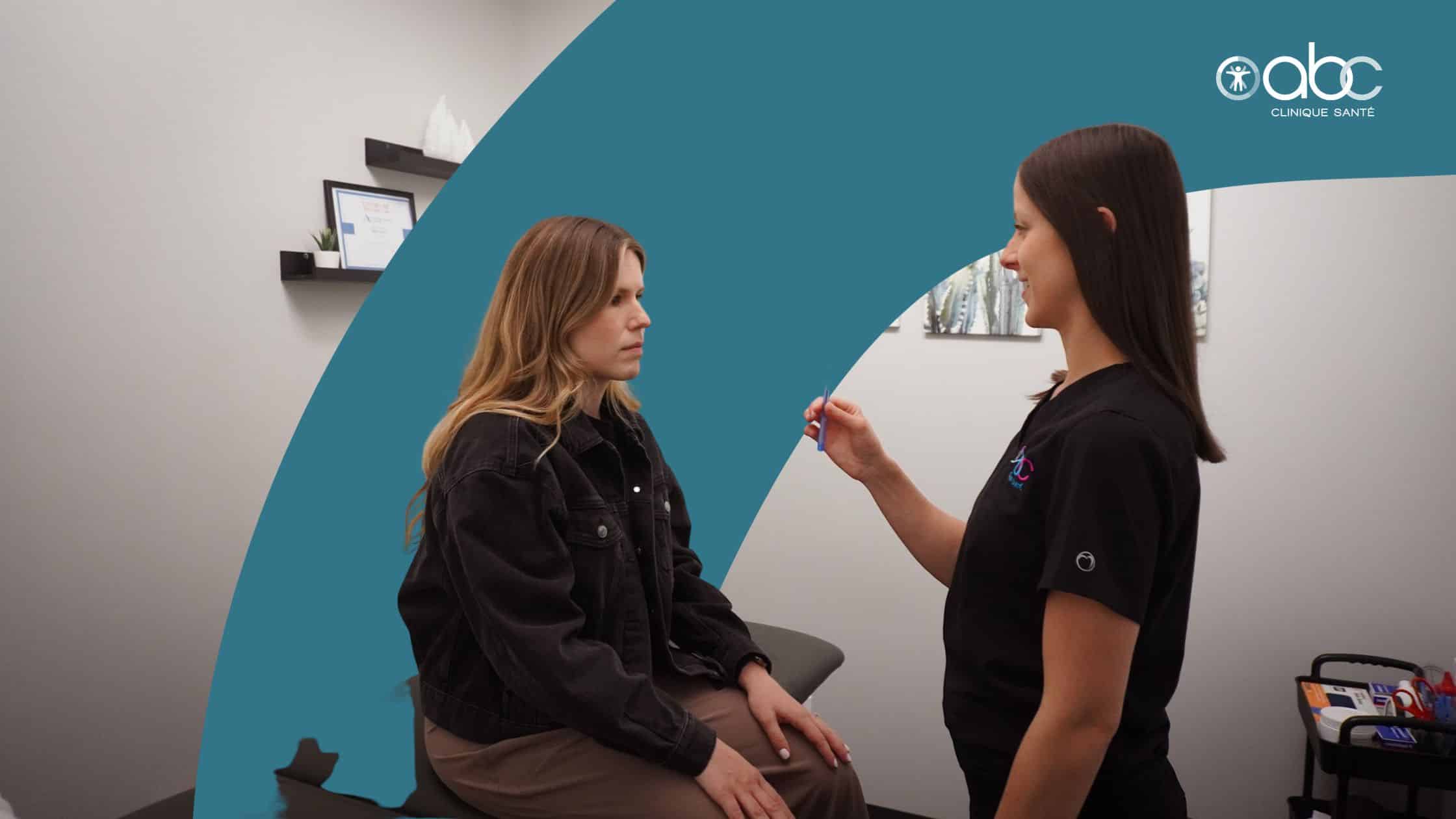
After a concussion, rest is often the first instinct. However, recommendations have evolved over the past few years. While strict rest in a dark room was once commonly advised, research now shows that gradually resuming physical activity can support recovery.
But does this mean you should start moving again immediately after a concussion? Not necessarily. Relative rest followed by a gradual return to activity is now the preferred approach, provided you respect your tolerance and monitor your symptoms.
Complete rest after a concussion: an outdated recommendation
For a long time, people who sustained a concussion were encouraged to avoid all physical and cognitive activity. This could mean staying in a dark room, limiting screen time, and even being woken up regularly during the night to monitor their condition. However, scientific knowledge has evolved. Strict and prolonged rest is no longer routinely recommended after a concussion.
The international consensus statement published following the 6th International Conference on Concussion in Sport, held in Amsterdam in 2022, highlights the benefits of physical activity and aerobic exercise during the recovery process.
A randomized clinical trial published in 2019 by Leddy and colleagues also demonstrated that individualized aerobic exercise could reduce the risk of prolonged recovery in individuals who sustained a sport-related concussion.
These findings support a different approach: relative rest, followed by a gradual return to activities.
What is relative rest after a concussion?
Relative rest involves temporarily reducing activities that worsen symptoms without completely eliminating movement and everyday stimulation. In practical terms, certain light activities can be resumed as tolerated, while avoiding those that cause a significant increase in symptoms.
For example, a short walk may be appropriate for some people, while others may need to start with even lighter activities. The goal is to allow the brain to recover without placing excessive demands on it. It is therefore essential to adjust activity levels to each individual and monitor how their condition evolves.
Why can exercise support recovery?
A concussion causes changes in how the brain functions. These may include a chemical imbalance and reduced cerebral blood flow. The brain must then work to return to its normal functioning.
These changes can lead to various symptoms, including:
- Fatigue and headaches;
- Dizziness and balance problems;
- Sensitivity to light and noise;
- Difficulty concentrating;
- Irritability and mood changes.
Although these symptoms can be unsettling, they are not necessarily permanent. Appropriate care and a gradual return to activities can help improve them. Light physical activity, in particular, allows individuals to gradually build their exercise tolerance. However, it must be introduced appropriately, based on each person’s symptoms and ability to recover.
What exercises can help after a concussion?
Rehabilitation after a concussion involves more than simply returning to your usual physical activities. It may include several types of targeted exercises, depending on the individual’s symptoms and needs.
1. Aerobic exercises
Walking outdoors or completing a short routine of light exercises can be a good starting point. The intensity and duration are gradually adjusted to improve exercise tolerance.
2. Neck exercises
Some people experience neck pain after a concussion. Exercises targeting the cervical region can then be incorporated into the rehabilitation program to improve mobility and reduce discomfort.
3. Balance exercises
Balance problems and dizziness are common symptoms after a concussion. Specific exercises can help improve stability and movement control.
4. Gaze stabilization exercises
Vision and eye movements can also be affected. Gaze stabilization exercises may be recommended to improve coordination between the eyes and head movements.
The choice of exercises, their intensity, and their progression always depend on the individual’s tolerance and symptoms. It is important to consult a healthcare professional to ensure that the exercises are appropriate for your condition.
Why should you work with a physiotherapist?
Every concussion is different. Some people recover quickly, while others experience persistent symptoms that require more targeted care.
A physiotherapist can assess limitations, identify issues associated with the concussion, and develop a rehabilitation program tailored to the patient’s condition. For example, in vestibular rehabilitation, specific interventions can be used to address dizziness, balance problems, and gaze stability.
Follow-up appointments also make it possible to monitor symptom progression and gradually adjust exercises to support recovery without causing setbacks.
It is important to have any concussion assessed by a healthcare professional before starting an exercise program. Any increase in symptoms should also be taken into consideration when adjusting activities.
In summary: gradually getting moving instead of stopping completely
Recommendations for concussion recovery have evolved considerably. Strict and prolonged rest is no longer the preferred approach. Instead, research supports an approach based on relative rest and the gradual resumption of adapted physical activities. The key is to respect your own pace, monitor your symptoms, and seek appropriate professional guidance when needed.
Have you sustained a concussion and want to return to your activities with confidence? A physiotherapy assessment can help you establish a rehabilitation program tailored to your needs.
Visit the clinic nearest you :
-

Ashleigh Stavrou
Physiotherapist