You are about to schedule an appointment at ABC Health Clinic Vaudreuil-Dorion
Valleyfield: 450-371-0321
Vaudreuil-Dorion: 450-455-8500
Mirabel: 450-974-5928
Gatineau: 819-773-4230
Trois-Rivières: 819-801-1278
Boucherville: 450-356-1666
Virtual services : 450-455-8500 (1-866-222-6735)
Pediatric physiotherapy
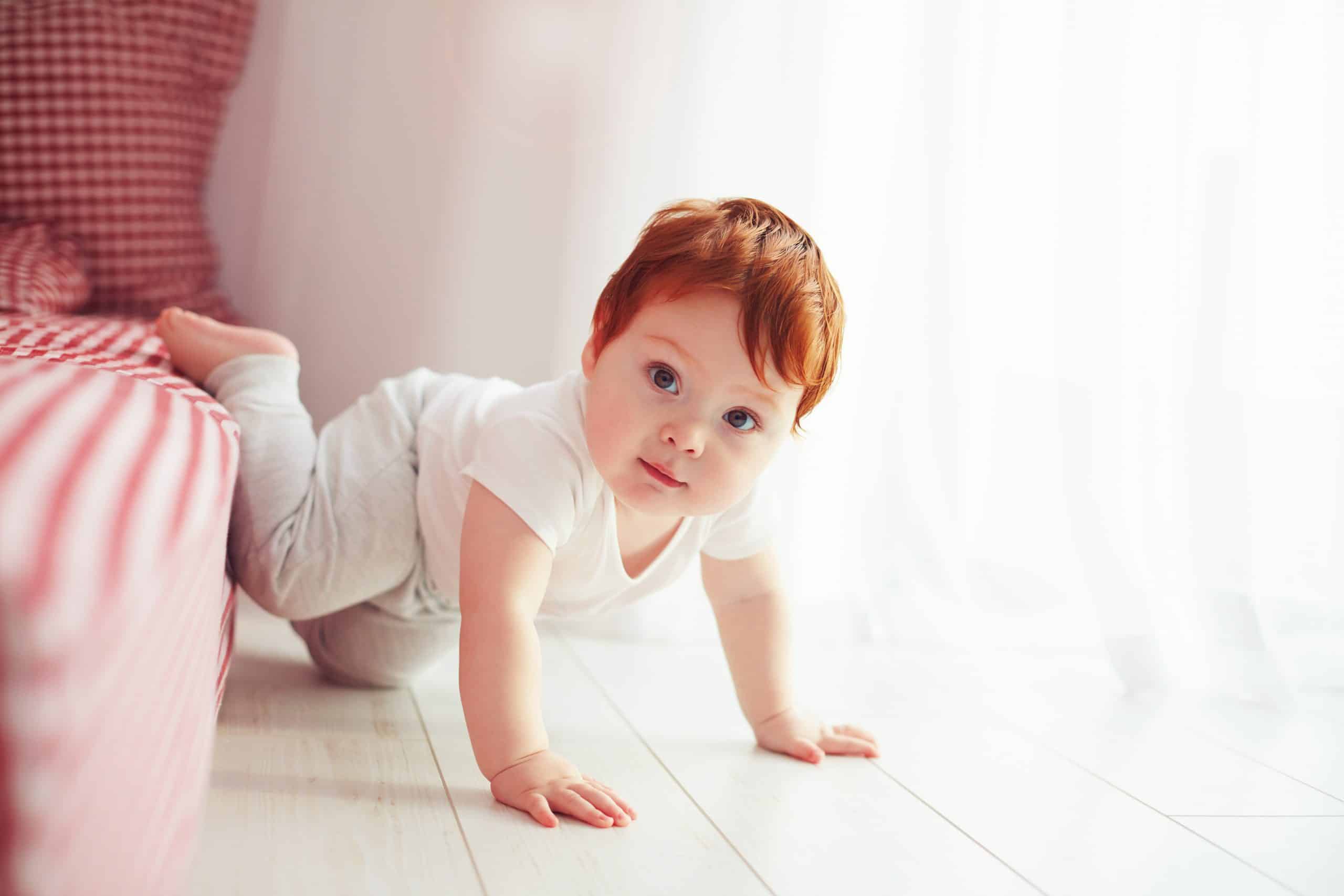
A child’s motor development progresses rapidly from birth. The first years of life are particularly important for developing motor skills such as holding up the head, rolling over, sitting, crawling, walking and exploring the environment. Brain development, movement experiences and interactions with the surrounding environment all contribute to this progression.
Movement and play are essential to how young children learn. However, certain health conditions, developmental differences or injuries can affect their movements and limit their participation in everyday activities.
Pediatric physiotherapy aims to support children’s motor development and encourage participation in age-appropriate activities. During an assessment, the physiotherapist observes posture, mobility, movement symmetry, motor control and the development of motor skills. This helps determine whether treatment is appropriate and allows the physiotherapist to recommend interventions tailored to the child’s needs.
Physiotherapy for newborns and young children
For babies and toddlers, early intervention can help support motor development and improve certain functional limitations. Physiotherapists also guide parents by providing advice and activities that can be incorporated into everyday routines.
Common reasons for pediatric physiotherapy consultations for newborns and young children include:
- Congenital muscular torticollis: a preferred head tilt or rotation.
- Plagiocephaly: asymmetrical flattening of the skull.
- Motor developmental delay: later-than-expected acquisition of certain motor skills.
- Hypotonia or hypertonia: decreased or increased muscle tone.
- Neurological conditions, such as cerebral palsy.
- Clubfoot: a foot deformity present at birth.
- Developmental dysplasia of the hip.
- Brachial plexus palsy: a nerve injury that can affect arm movement.
- Musculoskeletal injuries, including certain fractures and sprains.
Treatment is tailored to each child’s age, abilities and needs. It may include play-based exercises, activities that promote motor control and mobility, and recommendations for parents. When necessary, the physiotherapist works collaboratively with other healthcare professionals involved in the child’s care.
Physiotherapy for children and adolescents
Pediatric physiotherapy also benefits older children and adolescents. Because their bodies are still growing and developing, their assessment and treatment must take into account their stage of development, activities and goals.
Whether a young person is experiencing a sports injury, persistent pain or difficulty performing certain movements, physiotherapy can help restore or develop functional abilities and support a gradual return to activities.
Common reasons for physiotherapy consultations for children and adolescents include:
- Postural issues or difficulties with movement control.
- Sprains and joint injuries.
- Bruises, muscle strains or muscle tears.
- Pain associated with growth or sports participation.
- Changes in gait or walking patterns.
- Rehabilitation following an orthopedic surgery or fracture.
- Patellofemoral pain syndrome, which causes pain at the front of the knee.
- Concussions, depending on rehabilitation needs.
- Shoulder instability, including following a dislocation.
- Certain neurological conditions affecting mobility and motor function.
What does pediatric physiotherapy treatment involve?
Treatment begins with an assessment tailored to the child’s age. The physiotherapist evaluates movement, mobility, strength, balance and functional abilities in relation to the presenting concern.
Based on this assessment, an individualized treatment plan may include:
- Mobility, stretching or strengthening exercises.
- Play-based activities to develop balance, coordination and motor control.
- Functional exercises to make everyday movements easier.
- Guidance for parents to help support their child’s progress at home.
- A gradual return to school, sports and recreational activities.
The goal is to support each child according to their individual needs, promote motor skills and encourage participation in the activities that matter to them. Treatment and goals are adjusted according to the child’s progress.